Your Choice: Listen or Read
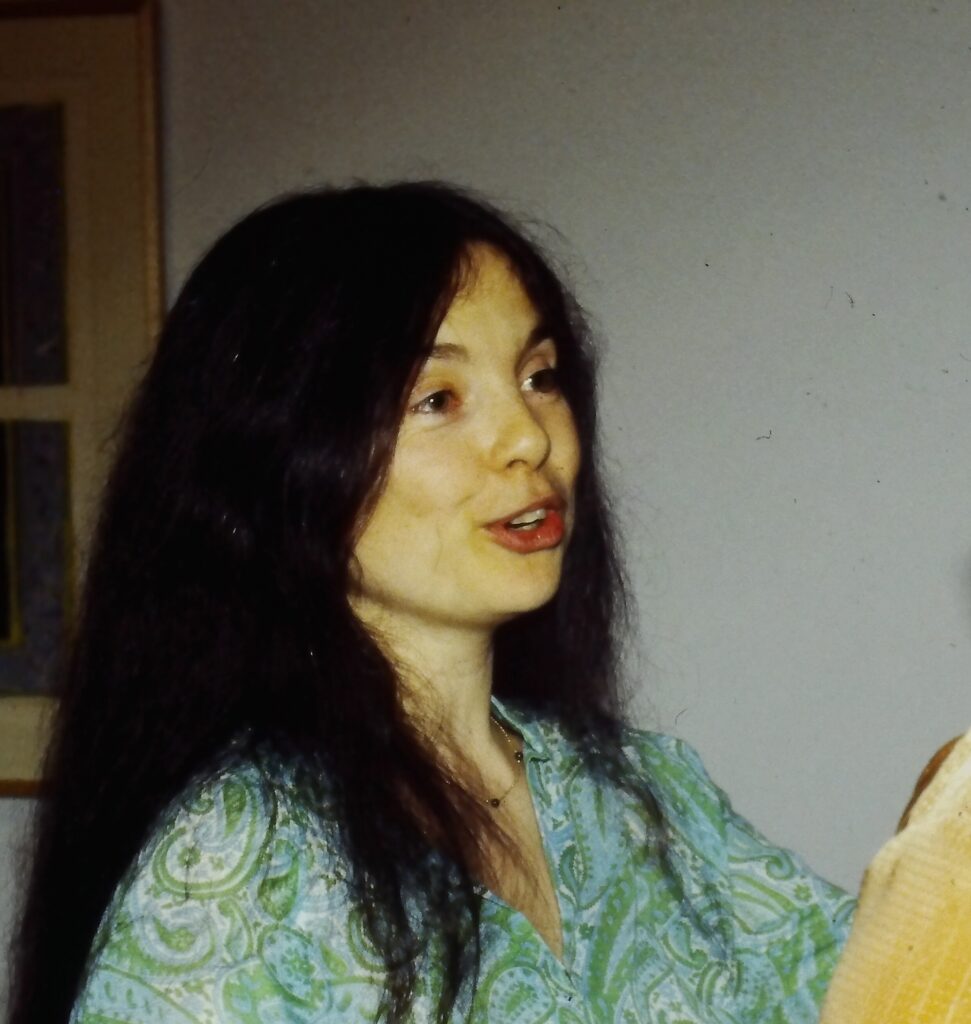
I met Lynn Ball at Cranbrook in 1979, though she carried a world of experience long before our paths crossed. Her years in WARM, the Women’s Art Registry of Minnesota, gave her a grounded confidence I admired—a belief that if artists didn’t have the platforms they needed, they could build them themselves.
When I arrived, Lynn already had a master’s degree in literature and was finishing another in ceramics. She had direction. Focus. A sense of purpose that made you want to rise to her level. I was still in the process of becoming who I hoped to be.
When I eventually moved to Minneapolis, she was working the front desk at the Black Forest. We were both restless and looking for a creative foothold. During those evenings—over dinners, sketchbooks, and the usual artist worries—the idea surfaced that the art community needed something simple but essential: a central source of information. A place artists could turn to for opportunities, events, and a sense of connection. The idea wasn’t mine or hers alone. It came out of the conversations we were having about building a life together in a city we both wanted to belong to.
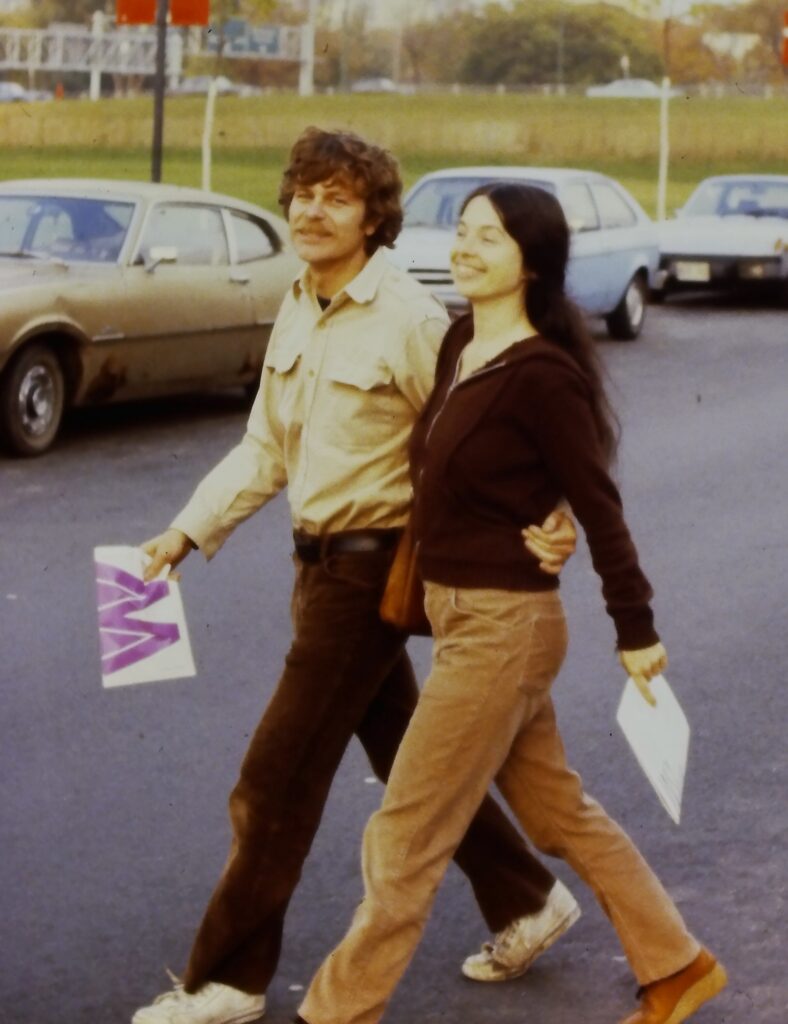
We began making prototypes and applying for grants. When the first applications didn’t land, we sat down at the table and reshaped them together—her depth and clarity, my instinct for simple writing. That version got funded.
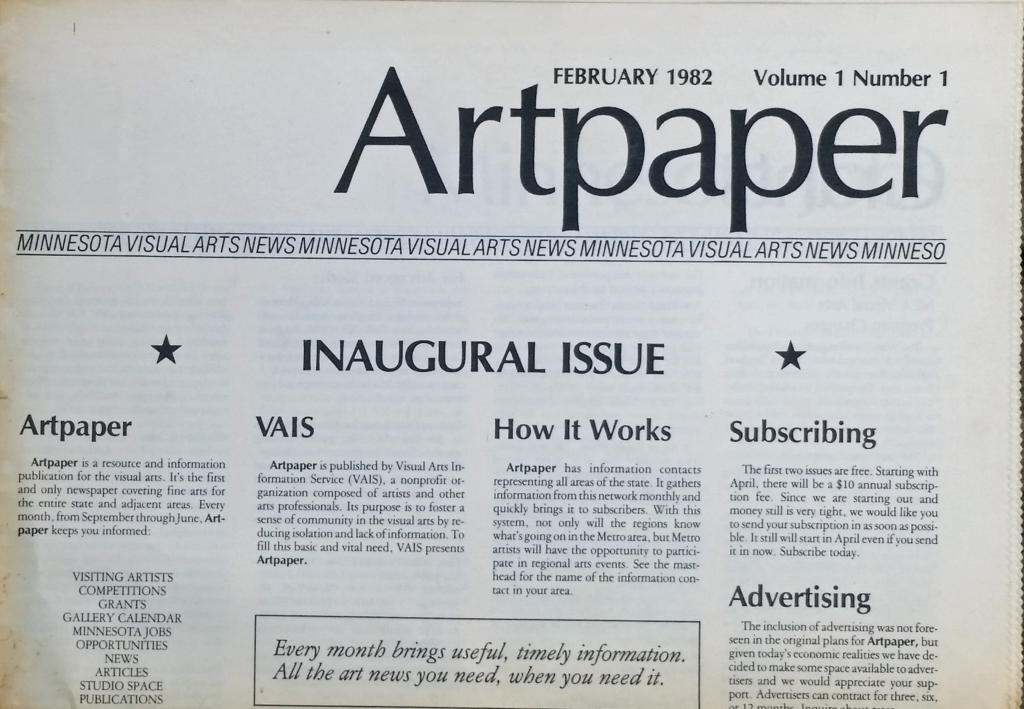
With that seed money, the newsletter quickly grew into something bigger: a tabloid. Eight pages of news, listings, and opportunities. When the first issue of Artpaper came out on February 1, 1982, it immediately felt like a missing piece of the arts community—a practical, steady voice for working artists.
In those early months, others stepped in to help shape its direction.
By the second year, the workload exploded. That’s when we brought in Linda Wing, who took on the monumental job of compiling the “basic survival information”: grants, competitions, residencies, job postings, opportunities—the real lifelines for artists trying to make a living.
In those early days gallery openings were scattered across the month, thinning attendance. Working with Suzanne Kosmalski, and with help from Thom Barry, we tried a simple experiment: reserve the entire back page for galleries willing to open on the same night. That small push restored a shared rhythm and grew into the now-famous gallery crawl.
And something else began happening: letters to the editor. Honest, unfiltered, sometimes argumentative, always passionate. They revealed that Artpaper wasn’t just distributing information—it was becoming the voice of the visual arts community.
Wanting to stay connected to that voice, we asked Neal Cuthbert to lead an Artist’s Advisory Panel—a monthly gathering of artists with their feet on the ground. Instead of rewriting press releases, we wanted to listen to the community itself. Neal was steady, thoughtful, and widely trusted—exactly what the panel needed.
Lynn was the organized, reliable editor who held the paper together. I was the one out in the community—meeting artists, gathering stories, listening. Together, and with a small team equally committed to the cause, we helped shape a publication that reflected the world we were living in and the one we hoped might exist.
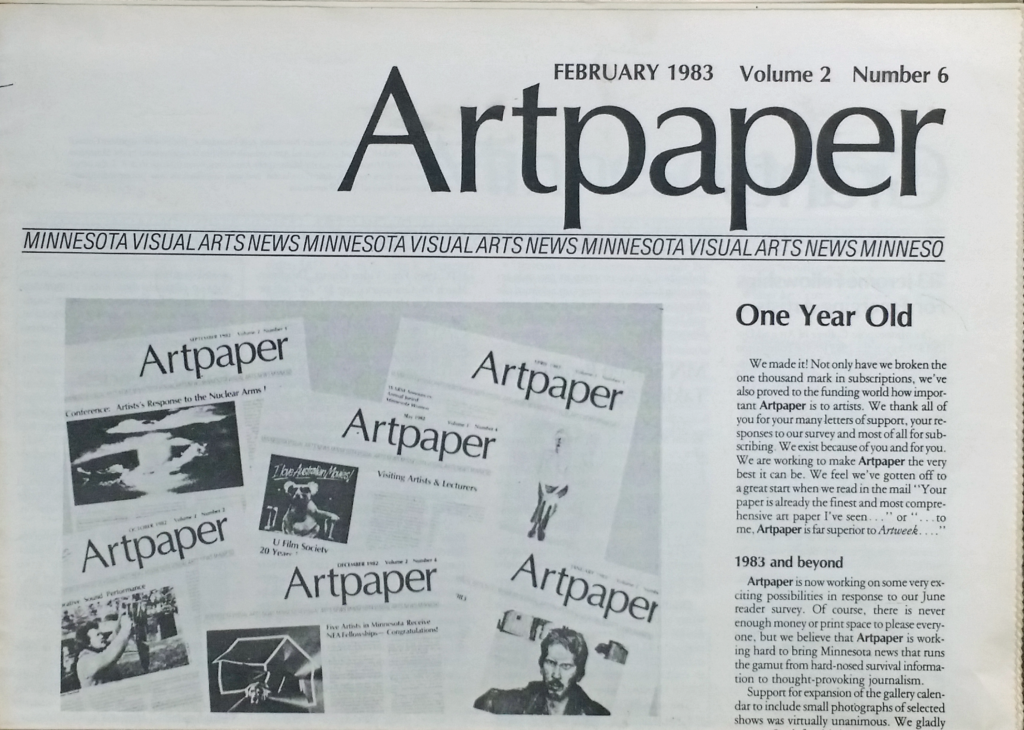
By 1984, Artpaper had outgrown its kitchen-table beginnings. What started as a modest tabloid was now a recognized presence in the arts community—carrying voices, connecting circles, and giving working artists a sense of place. Those early years were nimble and collaborative, shaped by intuition, shared labor, and the belief that artists could build their own infrastructure when none existed. The publication was finding its voice, its audience, and its purpose. The groundwork was there—steady, scrappy, and full of momentum—ready to meet the larger ambitions and responsibilities that were beginning to emerge.